The Amazing World of the Pappedeckel: More Than Just a Lid
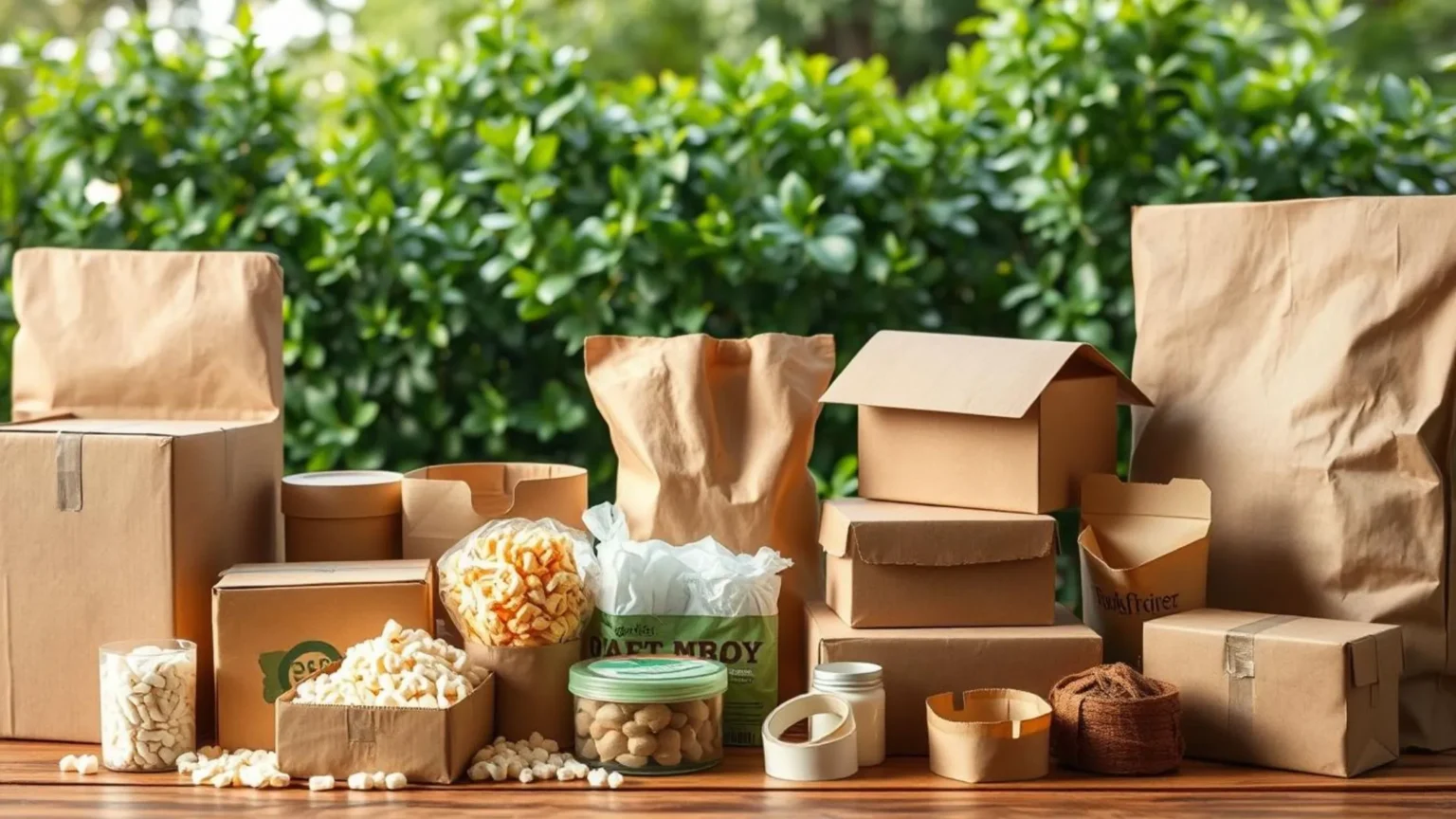
Have you ever looked at a sturdy cardboard lid and wondered if there was a special name for it? In the world of high-quality packaging, we often call this helpful item a pappedeckel. This term comes from the German language, where “Pappe” means cardboard and “Deckel” means lid. Together, they describe a strong, reliable cover that protects everything from your morning coffee to expensive electronics. Using a pappedeckel is a smart way to ensure your items stay safe while also being kind to our beautiful planet.
In the USA, more people are starting to use this term when they talk about premium, sustainable packaging options. It isn’t just a simple piece of paper; it is a carefully crafted tool designed for strength and durability. When you choose a pappedeckel for your storage or shipping needs, you are choosing a tradition of quality. These lids help keep dust away and provide a solid surface for stacking boxes in your garage or warehouse. It is a small part of our daily lives that makes a huge difference in how we organize the world.
Why Every Business Needs a High-Quality Pappedeckel
If you run a business, you know that first impressions are everything to your customers. Imagine someone receiving a package where the lid is torn or flimsy. That doesn’t feel very professional, does it? By using a pappedeckel, you provide a rigid and tough cover that looks great and works even better. These cardboard lids are perfect for “telescoping boxes,” where a top piece slides over a bottom piece. This design adds an extra layer of protection to the sides, making the whole package much stronger for long journeys.
Furthermore, a pappedeckel is incredibly easy to customize with your own colorful logo or brand message. Because the surface is flat and smooth, high-quality ink sticks to it perfectly, making your brand pop! Whether you are selling luxury candles, tech gadgets, or gourmet chocolates, a pappedeckel adds a touch of class. It tells your customers that you care about quality and that you have put thought into every detail of their experience. This level of care is what turns a one-time buyer into a loyal, lifelong fan of your brand.
Detailed Comparison Table: Pappedeckel vs. Plastic Lids
| Feature | Pappedeckel (Cardboard Lid) | Standard Plastic Lid |
| Material Origin | Renewable Wood Pulp / Recycled Paper | Non-renewable Petroleum / Oil |
| Biodegradability | 100% Biodegradable (Disappears in 1 Year) | Non-biodegradable (Takes 500+ Years) |
| Customization | Excellent (Easy to print and stamp) | Moderate (Requires special labels/inks) |
| Recyclability | Very High (Can be recycled many times) | Low to Moderate (Depends on plastic type) |
| Weight | Very Lightweight and Easy to Ship | Lightweight but bulky to produce |
| Heat Retention | Good for hot food and drinks | Moderate (Can warp under high heat) |
| Eco-Friendliness | Outstanding 10/10 Score | Low 3/10 Score |
The Secret History of Cardboard and the Pappedeckel
The history of the pappedeckel is actually quite fascinating and goes back over two hundred years! The first commercial cardboard box was produced in England in 1817. Before that, people mostly used heavy wooden crates or cloth bags to move their goods. As trade grew across the ocean to the USA, people needed something lighter and cheaper. The invention of the pappedeckel style lid allowed boxes to be opened and closed easily without needing hammers or nails. It was a true revolution for the shipping industry.
During the late 1800s, an entrepreneur named Robert Gair accidentally discovered how to mass-produce these items. He realized that a machine could cut and crease the cardboard at the same time. This made the pappedeckel affordable for everyone, not just rich merchants. Since then, the design has been perfected to handle heavy weights and resist moisture. It is amazing to think that such a simple-looking object has such a long and successful history of helping people move their most valuable treasures safely across the globe.
Eco-Friendly Benefits: Saving the Planet One Lid at a Time
One of the best reasons to love the pappedeckel is its amazing impact on the environment. In a world where plastic pollution is a big problem, cardboard stands out as a hero. A pappedeckel is made from natural fibers that come from trees, which are a renewable resource. If it ever ends up in the trash, it will naturally break down in about a year. Unlike plastic, which stays in the ocean for centuries, cardboard returns to the earth and helps new plants grow. This makes it a perfect choice for eco-conscious shoppers.
In addition to being biodegradable, the pappedeckel is one of the most recycled materials in the USA. Most people know exactly how to toss a cardboard lid into the blue recycling bin. This allows the fibers to be cleaned and turned into new boxes or lids again and again. By choosing a pappedeckel, you are supporting a “circular economy” where nothing goes to waste. It is a powerful way for individuals and big companies to reduce their carbon footprint while still enjoying the convenience of modern packaging technology.
Practical Uses for the Pappedeckel Around Your Home
You don’t have to be a big business owner to appreciate the value of a good pappedeckel. These sturdy lids are incredibly useful for organizing your home life. Think about those “banker boxes” used for storing old taxes or school papers. The thick pappedeckel on top allows you to stack five or six boxes on top of each other without the bottom one collapsing. This saves a lot of space in small closets or attics. It is a simple solution that helps keep your life tidy and your memories safe from dust.
Another great use for a pappedeckel is in the kitchen or for takeaway food. Many high-end coffee shops are switching from plastic lids to cardboard ones. A pappedeckel lid on a coffee cup helps keep the drink hot and prevents spills, all while being easier to recycle. You can also use flat cardboard lids as “coasters” for large pots or as protective covers when you are painting a room. Their versatility is truly endless! Once you start looking for them, you will see a pappedeckel everywhere, helping you keep things clean and organized.
How the Pappedeckel Protects Your Fragile Items
When you are shipping something fragile, like a glass vase or a piece of art, you need a pappedeckel that won’t give up. The strength of a high-quality cardboard lid comes from its dense structure. Unlike thin paper, a pappedeckel is made by pressing multiple layers of fibers together under high pressure. This creates a “stiff” board that resists bending. When this lid is placed on a box, it acts like a structural beam, giving the entire package more strength to withstand the bumps and drops that happen during shipping.
In 2026, we are seeing even more advanced versions of the pappedeckel. Some are treated with natural coatings that help them resist water and grease. This is especially important for the food industry, where a soggy lid can ruin a meal. By using a treated pappedeckel, a pizza box stays firm and a soup container stays sealed. This engineering ensures that your items arrive exactly how they left—perfect and ready to enjoy. It is a silent protector that works hard so you don’t have to worry about damage or returns.
Personal Insight: My Creative Crafting with a Pappedeckel
As someone who loves to be creative, I have found that a pappedeckel is a hidden gem for DIY projects. Because they are so flat and strong, these cardboard lids make the perfect base for scrapbooking or making your own puzzles. I once used a large pappedeckel from a gift box to create a “vision board” for my office. It was thick enough to hold heavy photos and decorations without bowing. It’s a great way to reuse a material that might otherwise be thrown away, giving it a second life as a piece of art.
Kids also love playing with a pappedeckel! They can be turned into shields for a knight’s costume or even used as a canvas for painting. Since they are made of paper fibers, markers and paints dry very quickly on them without smudging. Next time you receive a package with a nice, clean pappedeckel, don’t just put it in the recycling bin right away. Think about how you could use it for a fun afternoon project with your family. It is a wonderful way to teach children about recycling and creativity at the same time.
Understanding Different Types of Pappedeckel Materials
Not every pappedeckel is made exactly the same way. Depending on what it is used for, the thickness and “grade” of the cardboard can change. Some are made from “Kraft” paper, which uses very strong, raw fibers. These are usually brown and are famous for being incredibly tough to tear. Other lids might use “Test” liners, which contain more recycled material. These are a bit softer but are great for the environment. Knowing the difference helps you choose the right pappedeckel for your specific needs, whether it’s for heavy tools or light clothing.
There is also something called “Greyboard” or “Millboard,” which is a very dense type of pappedeckel often used in bookbinding. Have you ever felt the hard cover of a high-quality textbook? That is a type of pappedeckel! It provides the structure that allows a book to last for a hundred years. This shows just how versatile this material can be. From the lid of a shoe box to the cover of a classic novel, the pappedeckel is a foundational material in our culture, providing the strength and protection we rely on every single day.
The Future of Packaging: The Smart Pappedeckel
As we look toward the future, the humble pappedeckel is getting a high-tech upgrade. In 2026, some companies are testing “Smart Lids” that have tiny sensors embedded inside the cardboard layers. These sensors can tell you if a package has been opened or if it got too hot during transit. This is a game-changer for shipping medicines or fresh food. The pappedeckel is no longer just a physical barrier; it is becoming a digital tool that provides valuable data to keep people safe and informed across the USA and the world.
Even with all this technology, the basic goal of the pappedeckel remains the same: to provide a simple, effective, and eco-friendly way to cover and protect things. The industry is also moving toward using “mushroom-based” or “seaweed-based” additives to make cardboard lids even more sustainable. We are entering an era where the pappedeckel will be 100% home-compostable, meaning you can literally bury it in your garden to help your tomatoes grow! It is an exciting time for a material that has already served us so well for two centuries.
Conclusion: Embrace the Power of the Pappedeckel
In conclusion, the pappedeckel is a small but mighty part of our modern world. It offers a perfect blend of strength, affordability, and environmental responsibility. Whether you are a business owner looking for a way to impress your customers or a homeowner trying to get organized, a high-quality cardboard lid is your best friend. It protects our treasures, saves our planet from plastic, and even provides a canvas for our creative ideas. It is a simple tool that solves complex problems, making it a true hero of the packaging industry.
I hope this deep dive into the world of the pappedeckel has given you a new appreciation for the cardboard items in your life. The next time you open a box or put a lid on your storage container, take a moment to look at the quality and care that went into that piece of cardboard. It is a tradition of excellence that continues to evolve and improve every year. Let’s continue to choose sustainable options and support the clever designs that make our lives easier and our world a little bit greener.
Frequently Asked Questions (FAQs)
1. What exactly does the word “pappedeckel” mean?
The word pappedeckel is a German term that translates to “cardboard lid” or “paperboard cover.” It is commonly used to describe the thick, rigid lids found on high-quality packaging boxes, storage containers, and even some takeaway food items.
2. Are pappedeckel lids better for the environment than plastic?
Yes, absolutely! A pappedeckel is made from renewable wood fibers and is 100% biodegradable. It usually breaks down within a year, whereas plastic lids can take hundreds of years to decompose. They are also much easier to recycle in standard home recycling bins.
3. Can I use a pappedeckel for heavy-duty shipping?
Yes, you can. When a pappedeckel is made from high-density paperboard or “Greyboard,” it becomes very rigid and strong. It is often used for “telescoping” shipping boxes that need to hold heavy electronics, books, or machine parts safely.
4. Where can I find a pappedeckel in my everyday life?
You can find them everywhere! Common examples include the lids on shoe boxes, gift boxes, coffee cups, and “banker” storage boxes. You also see them in the covers of hardcover books, which are essentially a very refined type of pappedeckel.
5. How do I recycle a pappedeckel correctly?
Recycling a pappedeckel is very easy. Simply make sure it is clean and dry (free of food or grease), and place it in your paper/cardboard recycling bin. If it has a plastic coating, check your local recycling rules, but most plain cardboard lids are widely accepted.
6. Can a pappedeckel be reused for home projects?
Yes! Because they are flat and sturdy, they are excellent for DIY crafts, making dividers for drawers, or even as a protective surface for painting. Reusing a pappedeckel is a great way to extend its life before it finally goes into the recycling bin.





Leave a Reply