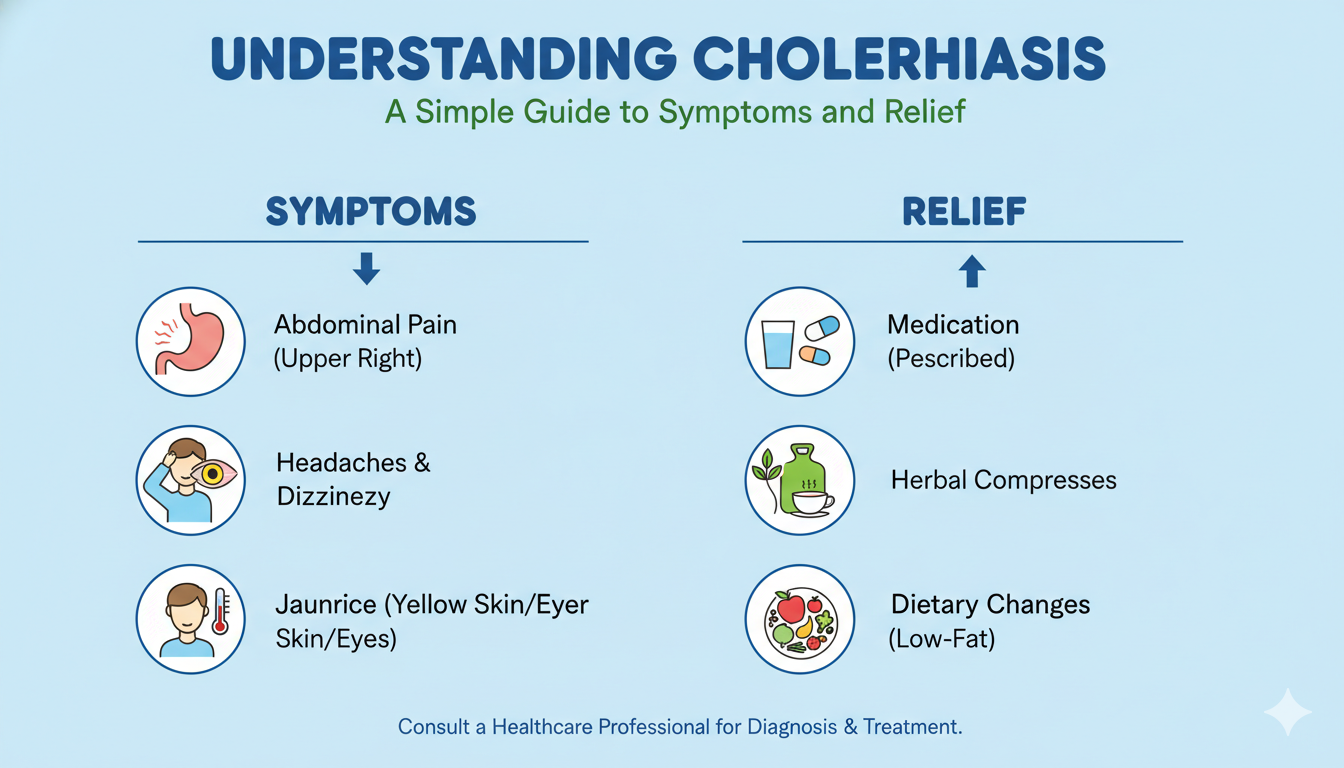
Have you ever felt a sharp pain in your upper belly after eating a big, tasty meal? That uncomfortable feeling might be a sign of cholerhiasis. While the name sounds a bit scary and long, it is actually a very common health issue that many people deal with every single day. Essentially, this condition happens when small, pebble-like pieces form inside your gallbladder. Your gallbladder is a tiny organ that helps you digest fats from food. When these little “stones” form, they can block the flow of digestive juices and cause a lot of soreness.
I remember talking to a friend who thought he just had a bad stomach ache from spicy food. After a few days, he realized it was actually cholerhiasis. It is so important to listen to what your body is telling you. Understanding this condition helps you make better choices about what you eat and how you live. In this blog post, we are going to break down everything you need to know about cholerhiasis using simple words. We want to make sure you feel confident and informed about your health journey.
Quick Facts About Cholerhiasis
| Feature | Details |
| Common Name | Gallstones or Gallbladder disease |
| Main Location | Gallbladder (right side of the belly) |
| Primary Cause | Hardened digestive fluid or cholesterol |
| Key Symptom | Sharp pain in the upper right abdomen |
| Typical Duration | Can be sudden (acute) or long-term (chronic) |
| Best Prevention | Healthy diet, low fat, and plenty of water |
How Cholerhiasis Starts in Your Body
To understand cholerhiasis, we first have to look at a fluid called bile. Bile is a liquid made by your liver to help break down the fats you eat, like butter or oil. Normally, this liquid flows easily. However, sometimes the chemicals in the bile get out of balance. When there is too much cholesterol or waste in the fluid, it can start to turn hard. Imagine leaving a bowl of sugar water out until it turns into hard crystals. That is very similar to how cholerhiasis develops inside your gallbladder over time.
These hard pieces can be as small as a grain of sand or as big as a golf ball! Most people have small ones and never even notice they are there. But when a stone gets stuck in a tiny tube, that is when the trouble begins. This blockage stops the bile from moving, which causes pressure to build up. This pressure is what leads to the classic symptoms of cholerhiasis. It is a natural process of the body, but it shows us how important it is to keep our internal fluids balanced and healthy through good habits.
Common Signs You Might Have Cholerhiasis
How do you know if that belly pain is actually cholerhiasis? The most common sign is a sudden and quickly increasing pain in the upper right part of your abdomen. Some people also feel it right under their breastbone or even in their right shoulder. This pain can last for a few minutes or even several hours. It usually happens after you eat a heavy or greasy meal. If you find yourself hunched over after a burger and fries, your body might be trying to tell you about cholerhiasis.
Other signs include feeling sick to your stomach or even throwing up. You might also feel very bloated, which makes your stomach feel tight like a balloon. Some people with cholerhiasis also notice that their skin or the whites of their eyes look a little bit yellow. This is called jaundice, and it happens when the bile cannot get out of the liver. If you notice these changes, it is a big clue that your gallbladder needs some extra attention and care from a professional.
Why Do These Stones Form?
Doctors are still learning every day, but they have a few good ideas about why cholerhiasis happens. One big reason is having too much cholesterol in your bile. If your liver makes more cholesterol than the bile can dissolve, the extra bits turn into crystals. Another reason could be that your gallbladder does not empty out all the way or often enough. If the bile stays inside for too long, it becomes very concentrated and starts to harden. This “sludge” eventually becomes the stones we call cholerhiasis.
Your genes can also play a role in this. If your parents or grandparents had gallbladder issues, you might be more likely to have them too. Being overweight or losing weight very fast can also trigger cholerhiasis. It is like a puzzle where many different pieces of your life come together. By knowing these causes, you can start to take small steps to lower your risks. It is all about keeping your body’s chemistry in a happy, flowing state so that everything moves exactly the way it should.
The Role of the Gallbladder in Your Health
You might wonder if you really need a gallbladder. The truth is, while it is helpful, you can actually live a very healthy life without it! Its main job is just to store the bile until you eat. When you take a bite of food, the gallbladder squeezes the bile into your small intestine. When cholerhiasis gets in the way of this squeeze, it causes a “gallbladder attack.” This is why the pain is so sharp; it is a muscle trying to push against a solid stone.
If a doctor decides you need surgery for cholerhiasis, they often just remove the whole gallbladder. After that, the bile flows directly from your liver into your stomach. Your body adapts pretty quickly! Many people feel much better after the surgery because the source of the pain is gone. It is amazing how our bodies can adjust to these changes. Even without this tiny organ, you can still enjoy your favorite foods, though you might need to be a little more careful with very greasy snacks.
Eating Right to Avoid Cholerhiasis
One of the best ways to keep cholerhiasis away is to watch what you put on your plate. Foods that are very high in unhealthy fats and sugar can make your bile thicker and more likely to stone. Instead, try to eat lots of fiber. Fiber is found in fruits, vegetables, and whole grains. It acts like a broom that helps clean out your system. Staying hydrated by drinking plenty of water also keeps your bile thin and easy to move, which prevents cholerhiasis from starting.
I like to tell people to “eat the rainbow.” This means filling your plate with different colored veggies like red peppers, green broccoli, and orange carrots. These foods have vitamins that help your liver work better. Also, try to choose healthy fats like those found in nuts or avocados instead of fried foods. Making these small changes today can save you a lot of belly literal “aches” in the future. Prevention is always the smartest way to handle cholerhiasis before it becomes a real problem.
When Should You See a Doctor?
If you have a little bit of gas or a mild stomach ache, you might just need to rest. But there are times when cholerhiasis needs a doctor’s help right away. If your pain is so bad that you cannot sit still or find a comfortable position, that is a big warning sign. Also, if you have a fever with chills, or if your skin starts to look yellow, you should get checked out. These can be signs of an infection or a serious blockage caused by cholerhiasis.
A doctor can use an ultrasound to look inside your belly. This is a cool tool that uses sound waves to make a picture of your organs. It doesn’t hurt at all! They can see the stones clearly on the screen. Knowing exactly what is going on helps the doctor give you the right treatment. Whether it is medicine or a simple procedure, getting help early for cholerhiasis makes the recovery process much faster and easier for everyone involved.
Myths and Facts About Gallbladder Stones
There are many stories out there about how to “flush out” stones at home using olive oil or lemon juice. However, these “cleanses” are usually not a good idea and can actually be dangerous. The “stones” people see in the toilet after a flush are often just clumps of the oil they drank! Real cholerhiasis usually requires professional medical advice. It is much safer to trust science and your doctor than a random tip you found on the internet.
Another myth is that only old people get cholerhiasis. That is not true! While it is more common as we get older, even young adults and sometimes children can develop it. It depends on your diet, your health, and your family history. The fact is, cholerhiasis is a manageable condition. By staying active and eating well, you can greatly reduce your chances of dealing with it. Education is your best tool for staying healthy and keeping your body running smoothly.
Living a Balanced Lifestyle
Staying active is another secret weapon against cholerhiasis. When you move your body, it helps your digestion work better and keeps your weight at a healthy level. Even a simple 20-minute walk every day can make a huge difference! Exercise helps lower the cholesterol in your blood, which in turn lowers the cholesterol in your bile. This simple habit creates a ripple effect of health that protects you from cholerhiasis and many other issues too.
Think of your body like a car. If it sits in the garage too long, the oil gets gunky and the parts get stiff. But if you take it out for a drive every day, it stays in great shape. Your gallbladder and liver are the same way. They like it when you stay hydrated and keep moving. By combining a good diet with a little bit of daily movement, you are giving your body the best defense against cholerhiasis. It is a lifestyle that feels good and keeps you energized.
Helpful Tips for Rapid Recovery
If you are currently recovering from a gallbladder issue or surgery, take it slow. Your body needs time to heal. Start with very simple foods like toast, rice, or applesauce. These are easy for your system to handle without a gallbladder. Gradually, you can add more foods back into your diet. Most people find that after dealing with cholerhiasis, they feel like they have a brand new start. The constant worry about pain goes away, and they can focus on enjoying life again.
Remember to listen to your doctor’s advice during recovery. They might suggest you eat smaller meals more often instead of three big ones. This helps your liver process the bile more steadily. Managing cholerhiasis is a journey, not a race. Be patient with yourself and celebrate the small steps toward feeling better. Before you know it, you will be back to your normal routine, feeling lighter and much more comfortable in your own skin.
Conclusion: Taking Control of Your Health
In summary, cholerhiasis is a common but manageable condition that affects the gallbladder. By understanding what causes it and recognizing the signs early, you can take charge of your well-being. Whether it is through a healthier diet, staying active, or seeking medical help when needed, you have the power to live a pain-free life. Don’t let the fear of a long name stop you from learning more. Your health is your most valuable asset, and being informed is the first step to protecting it.
Have you ever experienced unexplained belly pain after a meal? Or maybe you have a favorite healthy recipe that makes your stomach feel great? I would love to hear your thoughts! Share your stories or questions in the comments below. Let’s support each other in staying healthy and happy. Remember, a few small changes today can prevent cholerhiasis tomorrow. Stay hydrated, eat your veggies, and keep moving!
Frequently Asked Questions (FAQs)
1. Can I prevent cholerhiasis naturally?
Yes! Eating a diet high in fiber and low in saturated fats is a great start. Drinking plenty of water and exercising regularly also helps keep your bile thin and prevents stones from forming.
2. Is surgery always necessary for cholerhiasis?
Not always. If the stones are not causing pain or problems, a doctor might just “wait and see.” However, if you have frequent attacks, surgery is often the most effective way to stop the pain for good.
3. What foods should I avoid if I have gallbladder issues?
It is best to stay away from fried foods, heavy creams, fatty meats, and highly processed snacks. These foods require a lot of bile to digest, which can trigger pain if you have cholerhiasis.
4. How long does a gallbladder attack last?
An attack can last anywhere from 15 minutes to several hours. If the pain lasts longer than five hours or is accompanied by a fever, you should seek medical help immediately.
5. Can children get cholerhiasis?
While it is rare, children can develop it, especially if they have certain blood disorders or are dealing with obesity. It is always important for kids to eat a balanced diet too.





Leave a Reply