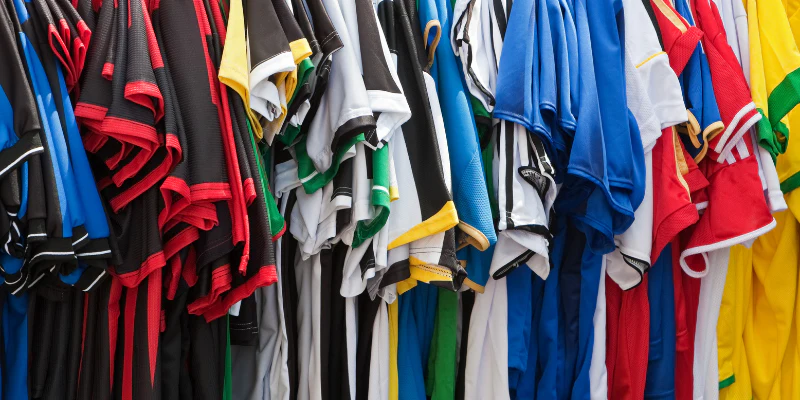
Modern Football kits are not only expected to be used for playing the game. They have become fashion pieces and in some cases highly collectable items. That being said, they can still take a beating. Mud-caked sliding tackles, sweat-soaked training runs, and waterlogged pitches all take their toll across 90 minutes of play, but that doesn’t mean your washing routine has to suffer the same fate. Whether you’re a Sunday League warrior or a parent staring down a mountain of grimy strips, these simple tips will keep your kit looking sharp.
So, let’s kick things off…
Act Fast: The Post-Match Routine
The golden rule? Don’t let it fester. It’s tempting to peel off your mud-caked shorts, drop them in a heap, and pretend they don’t exist until Monday — but resist the urge. The longer a kit sits, the more those stains dig in, so give everything a quick rinse under cold water. You need to fight the urge to blast it with hot water, even though this might feel more appropriate DON’T!! Hot water actually does the opposite of what you want, by locking in protein-based stains like sweat and blood, turning a simple wash into a much bigger job. Got something more stubborn? A pre-treatment spray or even a small squeeze of washing-up liquid worked directly into the stain can help shift it. Give it a gentle rub, but don’t go at it too hard, as aggressive scrubbing can damage the fabric, especially on modern performance kits where the materials are a lot more lightweight and technical than they used to be.
Washing: Getting the Temperature Right
When it comes to football kits, washing machines can be a tricky bit of kit. Strips are always made of synthetic materials, like polyester, and this is brilliant for drawing sweat away from the body during the heat of the game, but a bit of extra care is required when putting them in the washing machine, so always keep it cool. Most football kits should be washed at a low temperature — 30 or 40 degrees celsius at most. Washing them in hot water will cause colours to fade, prints to crack, and the synthetic material to shrink or warp. Nobody wants a football kit that fits like a crop top after a year or two, do they? Check the washing instructions on the label; the little symbols are there for a reason. Wash your football kit inside out to protect the numbers, badges, and printed sponsor logos. This simple trick makes a huge difference in keeping these details looking sharp for longer. Use a gentle or sports-specific detergent rather than a heavy-duty one. Fabric conditioner seems like a good idea, but it is actually worth giving it a miss with performance fabrics. It can clog the tiny fibres that help the material breathe and wick moisture away, meaning your kit might start feeling uncomfortable to wear come the 70th minute.
Dealing with Stubborn Stains
Stains are basically a rite of passage in football, so let’s tackle the most common offenders…
Grass stains: Pre-treat with a stain remover or a paste of baking soda and water. Leave for 15–20 minutes, then wash as normal.
Mud: Let it dry completely first! It sounds counterintuitive, but dried mud brushes off much more easily than wet mud, which tends to spread and smear deeper into the fabric.
Blood: Cold water only — always. Soak immediately and use a small amount of salt or hydrogen peroxide on fresh stains. Never use hot water.
Sweat stains: A soak in a mix of white vinegar and cold water for 30 minutes before washing works wonders and also helps neutralise any lingering odours. Bonus!
Drying: Patience is a Virtue
Here’s where a lot of people go wrong — the tumble dryer. As convenient as it is, the heat from a dryer is one of the biggest enemies of a quality football kit. It can shrink the fabric, cause prints and numbers to peel, and even warp the fit of the garment over time. The best method is always air drying. Lay your kit flat or hang it on a clothes horse away from direct sunlight. Bright sunshine might seem like a natural drying solution, but UV rays can fade the colours — especially on those vibrant reds and blues. If you absolutely must use a dryer, set it to the lowest heat setting and remove the kit while it’s still slightly damp, then let it finish air drying. Your kit will thank you for it.
Caring for Boots and Shin Pads Too
Your kit is more than just the shirt and shorts — your boots and shin pads deserve some TLC too! After every game, knock off any excess mud from your boots and use a soft brush or damp cloth to clean the upper. Leather boots benefit from a light application of boot polish or conditioner to prevent cracking. Synthetic boots just need a wipe down and some air drying — never put them near a radiator or in the dryer, as the heat can warp the sole and upper. Shin pads are often the forgotten heroes of kit care, but they can get pretty grim after a few matches. Most can be wiped down with an antibacterial wipe or a damp cloth with a drop of mild detergent. Let them dry fully before stuffing them back into your bag, otherwise you’re just creating a perfect environment for bacteria. Nobody wants that!
Storage: Set Your Kit Up for Success
How you store your kit between matches matters more than you’d think. Make sure everything is completely dry before folding and putting it away — storing damp kit leads to mildew and those horrible musty smells that no amount of washing seems to fix. Fold neatly rather than screwing it up in a ball at the bottom of your bag, which can cause creasing and put stress on printed areas.
Caring for your football kit really doesn’t have to be a chore. A few simple habits — rinsing promptly, washing cool, air drying, and storing properly, can all add years to the life of your gear and keep you looking like you mean business on the pitch.





Leave a Reply